Why context matters
Pearl Harbor is a place, an attack and a turning point
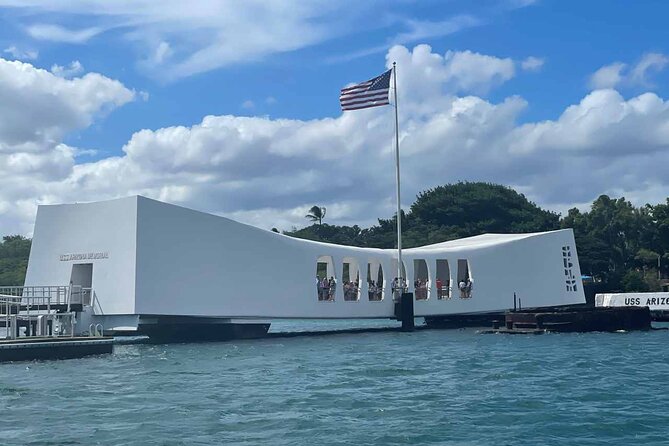
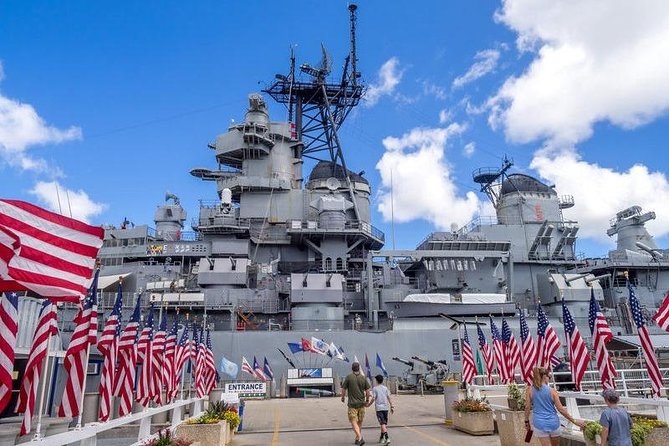
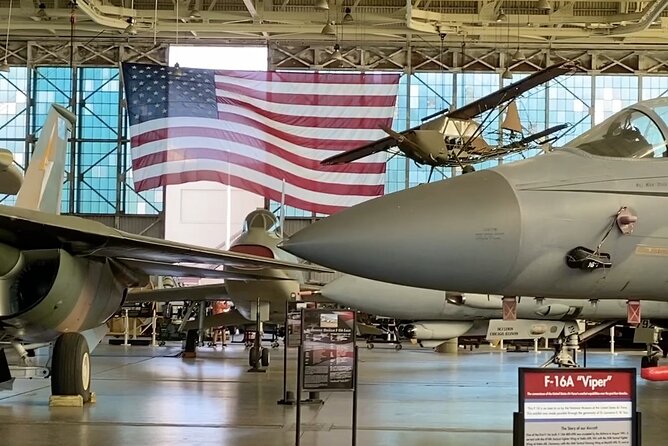
“Pearl Harbor” can refer to the natural harbor, the American naval base, the attack of December 7, 1941, or the group of memorials and museums visitors see today. Keeping those meanings separate makes the history easier to understand. The Japanese operation struck military targets across Oʻahu, not only the ships beside Ford Island. Airfields, hangars and other installations were attacked to reduce the chance of an American aerial response.
The raid grew from a wider conflict in Asia and the Pacific. Japan had pursued expansion in China and Southeast Asia, while relations with the United States deteriorated through diplomacy, economic pressure and competing strategic aims. Japanese planners sought to disable the U.S. Pacific Fleet long enough to secure territory and resources elsewhere. The attack achieved devastating surprise, but it did not destroy key American aircraft carriers, which were away from the harbor, and it failed to eliminate fuel storage and repair capabilities that later supported recovery.
For visitors, the danger is reducing the story to famous ships and statistics. The attack killed 2,403 American service members and civilians and wounded 1,178. USS Arizona lost 1,177 crewmen, while USS Oklahoma capsized after repeated torpedo strikes. Civilians died in Honolulu and elsewhere on the island, including from American antiaircraft fire. Japanese aircrew and submariners also died during the operation. The human scale emerges most clearly when exhibits, oral histories and memorial names are given time.
The consequences extended far beyond the harbor. The United States declared war on Japan on December 8. Germany and Italy declared war on the United States days later. Mobilization transformed American industry and society, while wartime fear and racism contributed to the incarceration of Japanese Americans. A responsible visit therefore connects battlefield history with civil liberties, community experiences, the wider Pacific War and the difficult movement from conflict toward remembrance and reconciliation.