Pearl Harbor
  1. Home
  2. Accessibility

Plan the route around the visitor

Pearl Harbor accessibility guide

Understand accessible parking, paths, Navy boat boarding, hearing and visual services, stroller limits and the different physical demands of each historic attraction.

Independent visitor guidance. Always confirm current conditions with the official operator before travel.

Visitor centerWheelchair accessibleMostly flat with benches
Arizona programAccessibleNavy vessels have wheelchair locks
Wheelchair rentalNot availableOnly emergency chairs are provided
ASL request14 days aheadRequired for advance coordination

Accessible, but not physically identical

Separate the National Park Service campus from historic vessels

The Pearl Harbor Visitor Center, its essential facilities, exhibit galleries, theater, restrooms, information desk, bookstore, Navy vessels and USS Arizona Memorial are designed to be accessible to wheelchair users. Accessible parking is available in the front lot, paths are mostly flat and benches are placed around the grounds. Visitors may bring their own wheelchairs, powered mobility devices and scooters.

“Accessible” does not mean the day requires no planning. Distances between parking, security, museums, the waterfront and boarding areas can be tiring. The park does not rent wheelchairs or supply them for ordinary use; onsite chairs are for emergencies. Visitors who need wheeled mobility should bring or arrange their own equipment before arrival.

The USS Arizona program uses a Navy-operated boat with wheelchair securement. Motorized devices are welcome on the vessel and memorial, subject to safe boarding and crew direction. Rollators are permitted, but the NPS specifically warns that misuse of rollators has caused serious injuries. A rollator seat should not be used while someone is being pushed, and visitors who need weight-bearing support may be safer with a wheelchair.

Partner attractions differ sharply. Bowfin’s shore museum is accessible, but the submarine requires stairs, a sloped brow and passage through seven raised watertight doors. Battleship Missouri offers accessible main-deck experiences and lift support in some areas, while below-deck routes can require stairs. Aviation Museum galleries are more conventional, but Ford Island shuttle boarding and campus distances still need consideration. Confirm current access directly with each attraction.
Plan by access need

What the visitor center currently provides

Use official services as a foundation, then verify each partner attraction separately.

Mobility access

Accessible parking, flat paths, restrooms, galleries, theater, information services, Navy boats and the USS Arizona Memorial support wheelchair and scooter users. Benches provide resting points.

Hearing access

The park documentary is captioned in English and an induction loop supports compatible hearing aids. ASL interpretation requires advance coordination.

Visual access

Braille signage, tactile interpretive models and a downloadable braille-ready park brochure support visitors with visual impairments.

Service animals

Service animals are welcome under ADA guidance. Contact individual partner sites if a historic vessel’s physical environment raises a specific access question.

Choose attractions by physical route

Accessibility differs across the Pearl Harbor Historic Sites

Always confirm current lifts, closures and assistance with the operator. Historic vessels may change routes during maintenance.

ExperienceMobility profileImportant planning point
Pearl Harbor Visitor CenterAccessible parking, mostly flat grounds, accessible museums, restrooms, theater and waterfront areas.Distances can still be tiring. Bring your own mobility device because rentals are not available.
USS Arizona Memorial programNavy boats and the memorial are wheelchair accessible; securement is available on the vessel.Follow crew instruction during boarding. The full program is about 45 minutes with no restroom on the boat or memorial.
USS Bowfin submarineThe shore museum campus is accessible, but the submarine itself is not wheelchair accessible.Boarding requires walking, stairs, a sloped brow and passage through seven watertight doors. Children under four cannot board.
Battleship MissouriThe main deck and key interpretation can support many wheelchair users; some routes and decks require stairs.Contact the attraction about current elevator or lift availability and choose the accessible tour route rather than assuming every compartment is reachable.
Pearl Harbor Aviation MuseumHangar galleries are generally the most conventional museum environment among Ford Island attractions.Account for the shuttle, outdoor movement between spaces and current access to special experiences such as the control tower.
Ford Island shuttleAuthorized transportation connects the visitor center with Missouri and the Aviation Museum.Confirm boarding procedures for the specific wheelchair or scooter and allow extra time rather than scheduling a tight connection.
Organized toursVehicle lifts, storage and assistance vary widely by operator.Disclose device dimensions, weight, transfer ability and companion needs before booking; do not accept a vague accessibility promise.

Bring the mobility device you actually need

The visitor center does not rent wheelchairs. A rollator is a walking aid, not a wheelchair, and should not be used to carry a seated person while moving. Plan equipment before the day.

Hearing and visual access

Request time-sensitive services before arrival

The visitor center’s documentary is captioned in English and the theater has an induction loop. Visitors traveling independently with a Recreation.gov reservation may request ASL interpretive services from the NPS after securing the reservation. The current guidance requires at least 14 days’ notice and states that interpreters are not available without advance arrangement.

If visiting through a tour company, arrange interpreting through that operator and tell them which partner attractions are included. The NPS interpreter can support the boat ride, memorial and staff interactions for a defined period, but partner-site coordination must be explicit.

Captioned film
The 23-minute visitor center documentary is fully captioned in English.
Induction loop
The theater system supports visitors using compatible hearing aids.
ASL interpretation
Request at least 14 days in advance after securing the official reservation, or coordinate through the tour company.
Braille and tactile resources
Use braille signage, tactile models and the downloadable BRF version of the park brochure.

Bring any personal assistive technology you rely on and download digital resources before travel. Cellular service, device battery and staff availability should not be the only way essential information reaches you.

Practical decisions

Build an accessible day with fewer transitions

Reducing uncertainty and unnecessary movement often matters more than adding attractions.

Use accessible parking

Accessible spaces are available in the front lot. Enter the exact visitor center address and avoid military-base navigation.

Map rest points

Benches are available, but the campus is spread out. Schedule seated museum or film time between outdoor walking segments.

Bring your wheelchair

The NPS does not rent wheelchairs and reserves onsite chairs for emergencies. Arrange rental delivery through an outside provider if needed.

Prepare for boarding

Tell staff about mobility needs before the Arizona group enters the boarding room. Follow Navy crew direction for securement and movement.

Plan stroller transfer

Strollers must remain in the designated pre-boarding area and cannot go on the Navy boat or memorial. Bring a baby carrier if appropriate.

Contact operators

Ask specific questions about device size, lift status, stairs, transfer ability, shuttle boarding and accessible restrooms rather than only asking whether a site is ADA accessible.

Before confirming the itinerary

Ask concrete access questions

Precise questions produce useful answers and reduce day-of surprises.

Can the device remain occupied?

Ask about each vehicle, boat, shuttle and lift rather than assuming a transfer is or is not required.

Which areas require stairs?

Request the accessible route and understand what historical spaces will not be reachable.

How far is the walking route?

Include parking, security, museums, waterfront, shuttle queues and attraction entrances.

What must be arranged ahead?

ASL interpretation, accessible tour vehicles and equipment rentals require advance action.

Continue planning

Turn this information into a complete visit

These guides connect the practical decision on this page with the sites and experiences you may want to add.

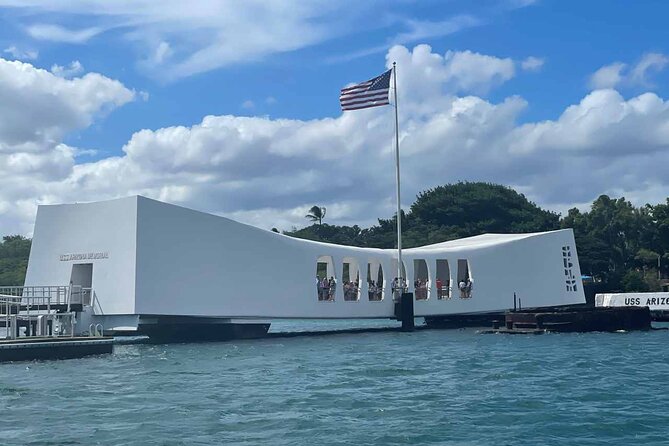
USS Arizona Memorial above the sunken battleship at Pearl Harbor

Primary memorial

USS Arizona Memorial

Understand the reservation, boat program, timing and visitor etiquette for Pearl Harbor’s central memorial experience.

Plan the USS Arizona Memorial
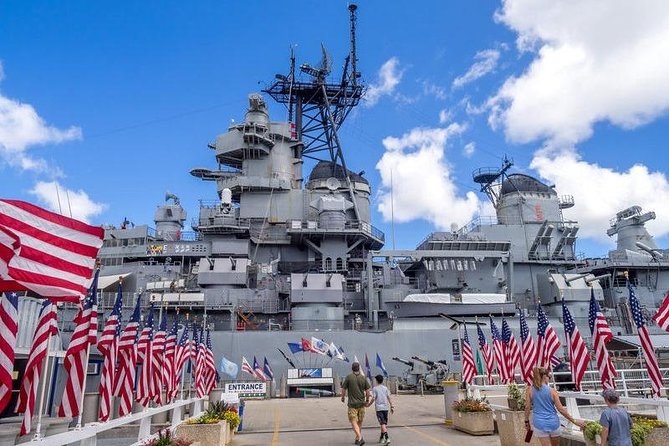
Battleship Missouri moored at Ford Island in Pearl Harbor

Ford Island

Battleship Missouri

Explore the battleship where World War II formally ended, with shuttle access from the visitor center.

Plan Battleship Missouri
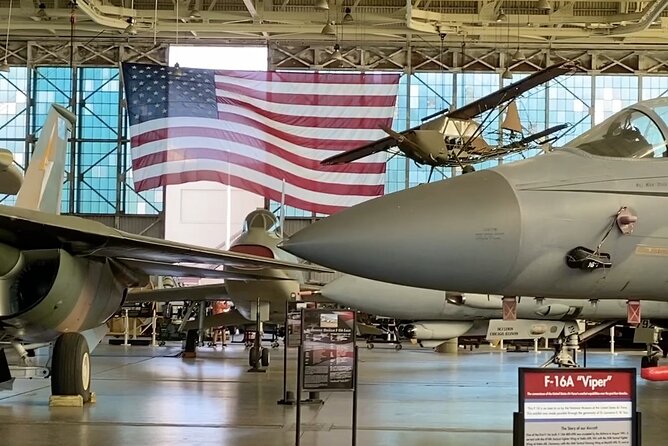
Historic aircraft inside the Pearl Harbor Aviation Museum

Aviation history

Pearl Harbor Aviation Museum

Add the story of the air attack, Ford Island hangars and Pacific aviation to a full-day visit.

Plan the Aviation Museum

Independent visit or organized tour

Choose the operator by verified access, not by the tour title

An accessible tour can simplify hotel transport, but vehicles and procedures vary. Before payment, give the operator the mobility device’s type, dimensions and weight, whether the visitor can transfer and what assistance a companion provides.

Ask for written confirmation of the accessible vehicle and the specific Pearl Harbor sites included. General language such as “wheelchair friendly” is not enough for a day involving boats and historic ships.

Affiliate disclosure: PearlHarbor.info may earn a commission from eligible bookings, at no extra cost to you. Verify every tour’s current schedule, admissions and accessibility before booking.

Vehicle and liftConfirm lift capacity, securement and whether the same accessible vehicle remains with the group.
Device storageExplain whether the wheelchair folds and whether the visitor can board without it.
Historic routesVerify which decks or vessels are physically included and what accessible alternative interpretation is offered.

Frequently asked questions

Pearl Harbor accessibility

Is the USS Arizona Memorial wheelchair accessible?

Yes. The visitor center, Navy-operated vessel and USS Arizona Memorial are wheelchair accessible, and the boats have wheelchair locks. Follow staff instructions for boarding and securement.

Can I rent a wheelchair at Pearl Harbor?

No. The National Park Service states that wheelchairs are not available for general use and are provided only in emergencies. Bring or arrange your own device.

Are mobility scooters allowed?

Yes. Motorized mobility devices are welcome at the visitor center, on Navy vessels and at the USS Arizona Memorial, subject to safe operation and staff direction.

Can I take a rollator on the boat?

Rollators are permitted, but NPS cautions that misuse has caused serious injury. A rollator is not a wheelchair and should not be used to push a seated person.

How do I request an ASL interpreter?

Independent visitors should first secure their Recreation.gov reservation, then contact the NPS with the specified ASL request subject. Current guidance requires at least 14 days’ notice. Tour guests should arrange through their operator.

Is USS Bowfin wheelchair accessible?

The museum campus is accessible, but the historic submarine is not. Its route requires stairs, a sloped brow and movement through seven raised watertight doors.

Can strollers go to the USS Arizona Memorial?

No. Strollers are allowed at the visitor center but must be parked in the designated area before boarding. They are not permitted on the Navy boat or memorial.

Accessibility information reviewed July 28, 2026 against official National Park Service guidance last updated November 22, 2025 and current NPS FAQs. Contact individual partner sites and tour operators for current route-specific access.