Why the aviation story changes the visit
Pearl Harbor makes more sense when you see the battlefield from above
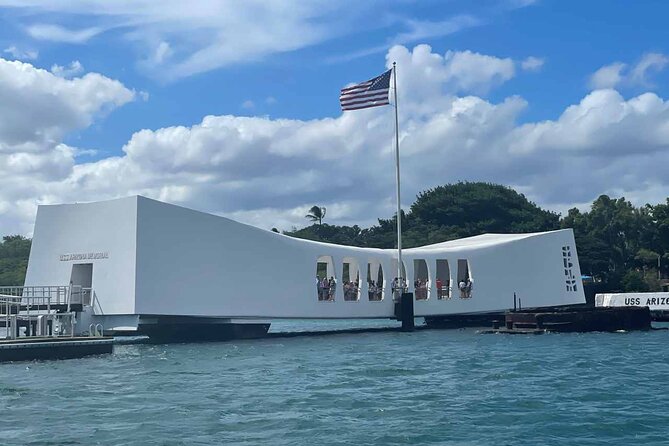
Most visitors first understand Pearl Harbor through ships: Battleship Row, USS Arizona and the naval losses of December 7, 1941. Pearl Harbor Aviation Museum adds the missing aerial perspective. Its location on Ford Island places visitors on the former naval air station that was struck during the opening minutes of the attack.
The museum’s historic setting is not decorative. Hangars 37 and 79 were part of the wartime airfield, and surviving damage links the buildings directly to the attack. Aircraft and exhibits then extend the timeline beyond 1941, showing how air power developed through World War II, Korea, Vietnam and later conflicts.
General admission currently covers more than 50 aircraft and the principal exhibits in Hangars 37, 79 and the Operations Building. A free audio tour is available in several languages. Optional upgrades, including experiences connected to the Ford Island Control Tower and restoration work, can deepen the visit but require more time and may have limited capacity.
Because the museum is on an active military base, most visitors cannot drive there. The complimentary shuttle departs from the Pearl Harbor Visitor Center, stops first at Battleship Missouri and then at the Aviation Museum. That makes the two Ford Island attractions a logical pair, but it also means your schedule must respect the final shuttle back.
Who should prioritize the museum?
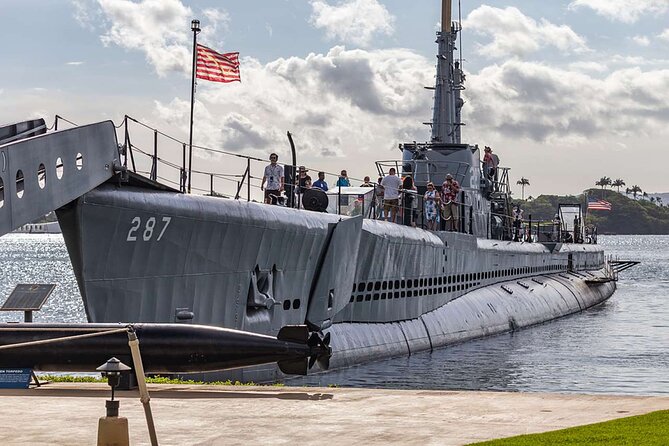
It is an obvious choice for aviation enthusiasts, but the museum is not only a collection of aircraft. Families often find its open hangars easier than the confined spaces of Bowfin, while history-focused visitors gain a clearer sense of the attack’s geography. Choose it when you have enough time to explore Ford Island rather than squeezing it into the last hour of the day.